

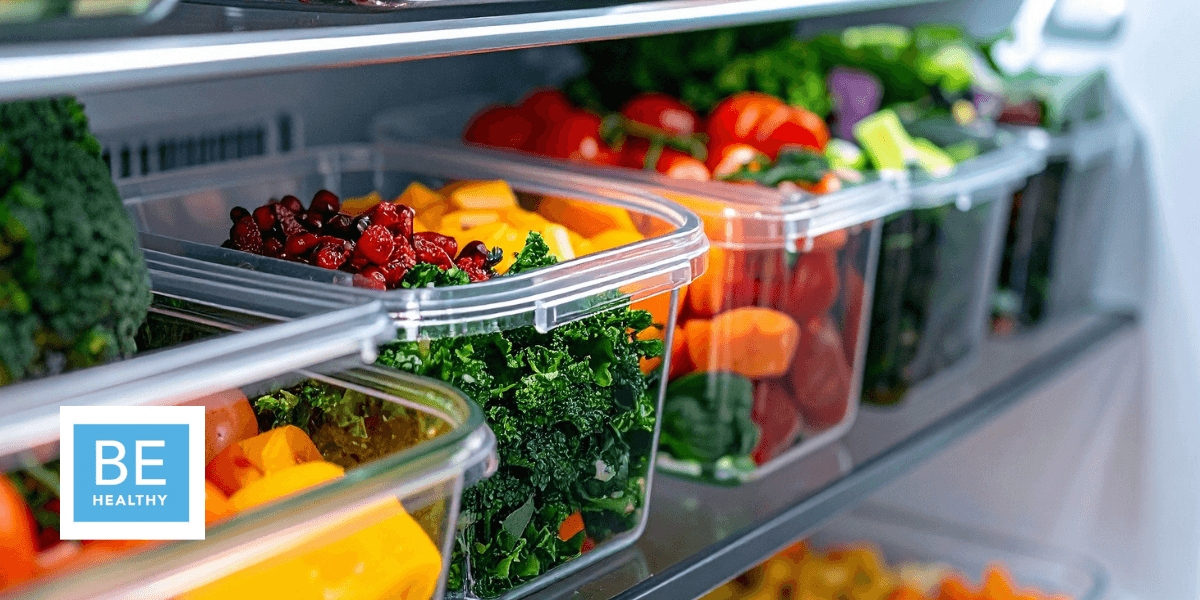
Food Safety During Summer: How to Prevent Foodborne Illnesses
Summer is the perfect season for barbecues, family gatherings, vacations, and outdoor meals. However, warmer temperatures also create ideal conditions for bacteria to grow rapidly when food is not stored or handled properly.
While many people associate food poisoning only with spoiled food, the reality is that most foodborne illnesses can be prevented by following proper food handling and storage practices.
High temperatures accelerate the growth of bacteria such as Salmonella, E. coli, Listeria, and Campylobacter, which may be present in raw meat, poultry, seafood, dairy products, eggs, fruits, and vegetables.
When perishable foods remain in the temperature danger zone (40°F to 140°F / 4°C to 60°C) for too long, bacteria can multiply quickly, increasing the risk of foodborne illness.
Tips for Keeping Food Safe During Summer
1. Keep Foods Properly Refrigerated
One of the most common mistakes is leaving perishable foods at room temperature for extended periods.
- Refrigerate meat, dairy products, and prepared foods promptly.
- Use coolers with plenty of ice packs during picnics or outdoor events.
- Avoid leaving food under direct sunlight.
2. Prevent Cross-Contamination
Never use the same utensils or cutting boards for raw and ready-to-eat foods without washing them first:
- Separate cutting boards for meat and vegetables.
- Wash knives and utensils after handling raw foods.
- Store raw foods separately from cooked foods.
3. Wash Fruits and Vegetables
Even produce that will be peeled should be rinsed under clean running water before preparation. This helps remove dirt, residues, and surface contaminants.
4. Wash Your Hands Frequently!
Handwashing remains one of the simplest and most effective ways to prevent foodborne illnesses. Wash your hands before preparing food, after handling raw meat, and before serving meals!
5. Don't Leave Food Sitting Out
During summer gatherings, food often remains on tables for several hours. Perishable foods should not remain unrefrigerated for more than two hours, or one hour when outdoor temperatures exceed 90°F (32°C).
What Happens if Contaminated Food Is Consumed?
Foodborne illnesses commonly cause symptoms such as:
- Nausea
- Vomiting
- Diarrhea
- Stomach cramps
- Fever
- Dehydration
Young children, older adults, pregnant women, and individuals with weakened immune systems are at greater risk of developing serious complications. The good news is that most foodborne illnesses are preventable through proper food safety practices.
Simple habits such as proper refrigeration, safe cooking, hand hygiene, and avoiding cross-contamination significantly reduce the risk of foodborne illness.
During the summer months, these preventive measures become even more important to protect your family and enjoy meals safely.
SAIN Medical: Your Partner in Healthy Living
At SAIN Medical, we understand the importance of timely access to quality healthcare. If you or a loved one experiences symptoms related to a foodborne illness or any other medical condition, our network of trusted physicians and specialists is ready to connect you with the right healthcare professional based on your specific needs.
Contact SAIN Medical today and let us help you find the right care when you need it most.
- Network of trusted physicians and specialists
- Care tailored to your specific needs
- Accessible and professional care along the border